Blog
Would you trust a bank that locks its doors at night but leaves all the money sitting in a big pile on the floor? Probably not—if someone got through the door, they could take all the money without any trouble.
This is kind of how cybersecurity used to work. If someone got into a company’s network, they could see and use anything they wanted. But now, many businesses are using a better system called zero-trust security.
Cybersecurity is super important for any business today, and it can make the difference between a business staying safe or failing because of a cyberattack. While there are many things you need to do to protect your business, there are some key steps you can start with to keep it secure. Let’s go over what you should do.
A lot of people don’t take cybersecurity and data privacy seriously enough, and that puts both them and others at risk. We’ve all gotten used to sharing personal information online—whether it’s on social media, shopping websites, or other digital services. But if we’re not careful, this can lead to big problems like hackers stealing your identity or money. When people don’t use strong passwords or turn on two-factor authentication, they leave gaps that hackers can take advantage of. These gaps don’t just affect individuals—they can lead to bigger cyberattacks that hurt entire organizations or communities.
Today’s businesses need an established cybersecurity strategy. It’s as simple as that.
However, many businesses need guidance to create this strategy, which is why the National Institute of Standards and Technology has developed a framework for proper cybersecurity protection. Let’s walk through this framework and discuss what you need to do to meet its requirements.
Problems with cybersecurity can really sink your business. Unfortunately, more opportunists are out there today looking to profit off of business’ lack of vigilance. One example of this are large-scale scam operations that have been running in Southeast Asia, and they are now spreading to other parts of the world. These scams, called "pig butchering" scams, have caused major harm, with around $75 billion lost worldwide in 2023.
Sextortion scams are far from glamorous. These attacks involve a scammer claiming to have compromising photos or videos of their target engaged in explicit activities—often suggesting this footage was captured through their online behavior. The scammer then threatens to release this material unless a ransom is paid.
In this blog and our conversations with clients, we frequently discuss the importance of protecting accounts with complex and unique passwords and multi-factor authentication. These actions are crucial, but there is a tool out there that can really improve any business’ account security: the password manager.
Today, we’ll discuss the password manager and why it is such a great tool for keeping passwords complex and secure.
Cybersecurity tops the list for any business’ needs, particularly when one considers just how many threats are out there today. This makes it essential that today’s businesses (yours included) put an assortment of cybersecurity tools and protections in place.
We’ve assembled a list of the ones we recommend.
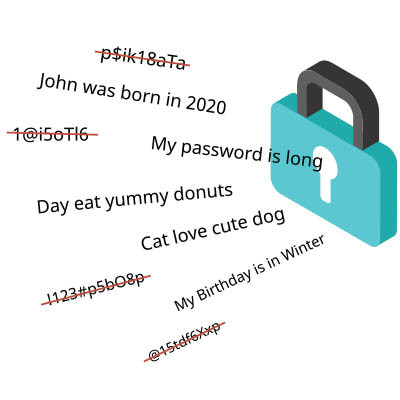
Strong passwords are extremely important these days. Cybercriminals only need low-end hardware to crack millions of passwords at once, so it's critical to use random, complex strings of characters.
The bigger problem most users have is using unique passwords for each and every account. Any account is liable to be compromised at any given time, and you might not even know about it. If your password is compromised, the bad guys can use it to access all of your other accounts.
Sometimes, it seems like the most complex aspect of modern technology is the naming conventions used by big vendors for all of their products. It’s a problem with consumer electronics, it’s a problem with enterprise products, and sometimes it feels like some companies make their products as confusing as possible on purpose… I’m looking at you, Microsoft.
When it comes to protecting your PC from viruses and malware, there should be zero confusion. Hopefully after this article you’ll have the confidence to make the right choice for your business.
Cybersecurity is necessary for businesses to function, but when it turns to overreaching and overinvestment—a concept called cybersecurity sprawl—it becomes a problem. Today, we want to highlight some of the many challenges that can come about from cybersecurity sprawl, as well as how you can avoid it.
Data security isn’t a matter to be taken lightly, as too many businesses have found out the hard way. Unfortunately, there are far too many simple ways to correct common security issues - enough that it’s foolish not to do so. We’ll review a few ways to fix security issues, after discussing one of, if not the, most egregious security failings in modern history.
The password isn’t nearly as secure as it used to be. Hackers have begun to take advantage of extremely powerful solutions designed to brute force their way into accounts by using software to rapidly guessing thousands of passwords per second, making it extraordinarily difficult to prepare yourself for them.
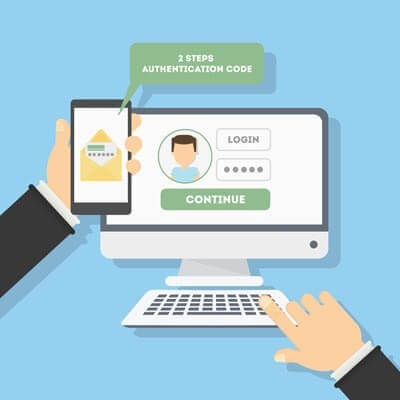
What’s the best way to guarantee that passwords aren’t going to be the downfall of your company? A great start is by taking a close look at password best practices and two-factor authentication.
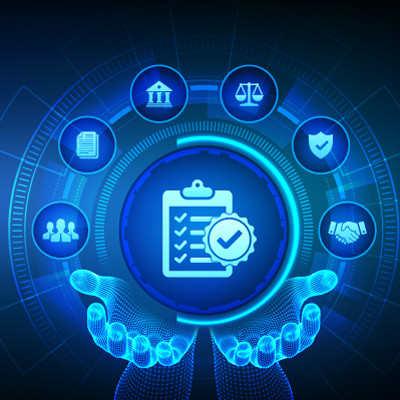
Despite what detractors say, regulations are in place for good reason. They typically protect individuals from organizational malfeasance. Many of these regulations are actual laws passed by a governing body and cover the entire spectrum of the issue, not just the data involved. The ones that have data protection regulations written into them mostly deal with the handling and protection of sensitive information. For organizations that work in industries covered by these regulations there are very visible costs that go into compliance. Today, we look at the costs incurred by these organizations as a result of these regulations, and how to ascertain how they affect your business.
Customer Login
News & Updates
Contact us
Learn more about what Integrid can do for your business.
Integrid
111 W Lewis St
Greensboro, North Carolina 27406